


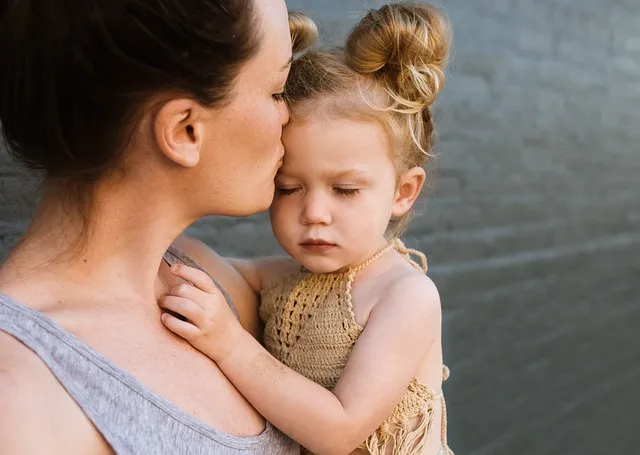
Emotional development in early childhood
Emotional development in early childhood is one of the most important parts of growing up. During the early years of a child’s life, they begin to learn about their emotions and how to express them. This period plays a significant role in shaping how a child will handle emotions later in life. Daycare centres, like Kaleidoscope Kids Early Learning Centres, are key in supporting emotional development in early childhood by providing a nurturing and safe environment where children can explore and grow emotionally.
What is emotional development in early childhood?
Emotional development in early childhood refers to the way children learn to understand, express, and manage their emotions. This process begins from birth and continues as children grow. In the early years, children start to recognise their own feelings, such as happiness, sadness, anger, and fear. They also begin to understand the emotions of others, which is a vital part of developing social skills.
According to experts, emotional development in early childhood lays the foundation for later emotional well-being. A child who has a strong sense of emotional awareness is more likely to develop healthy relationships and manage stress effectively as they grow older.
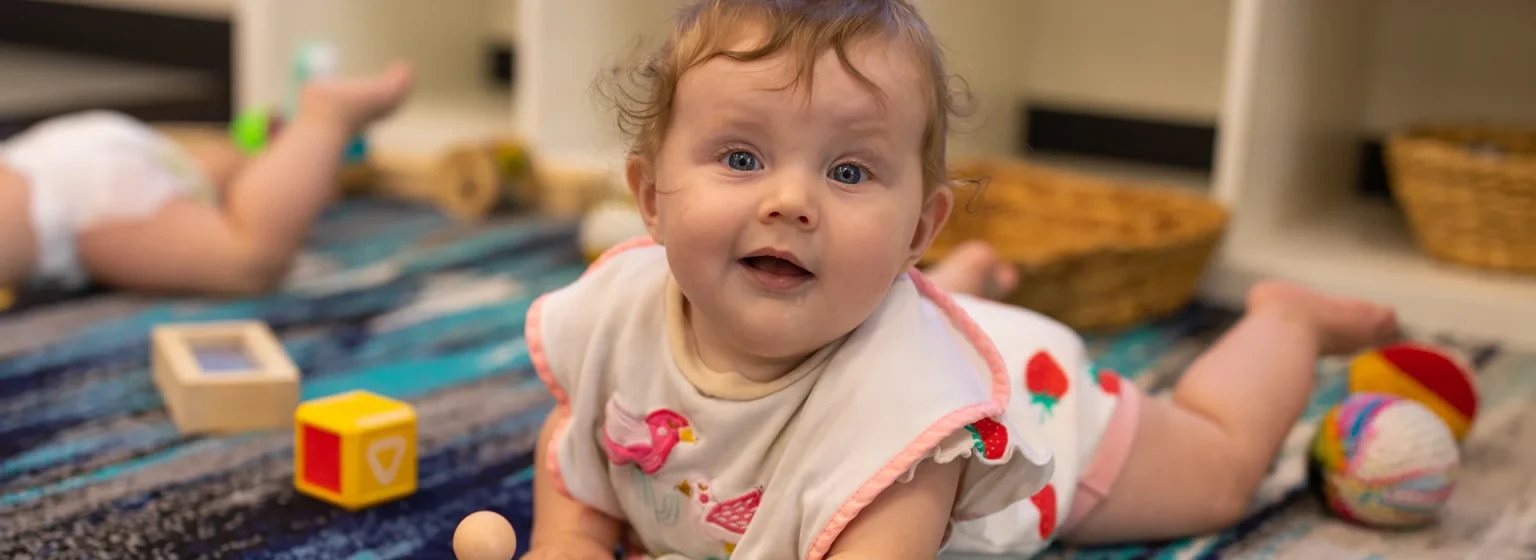
The importance of emotional development in early childhood
Emotional development in early childhood is essential for several reasons. First, it helps children form secure attachments to caregivers. These attachments are important because they provide children with the comfort and support they need to explore the world and develop their skills. Daycare centres, like Kaleidoscope Kids, offer a safe environment for children to build these bonds with both their caregivers and peers.
In addition, emotional development in early childhood contributes to a child’s ability to cope with challenges. When children learn how to manage their emotions, they are better equipped to handle stress, frustration, and conflict. For instance, a child who can express their feelings of anger in a healthy way is less likely to act out or become overwhelmed by negative emotions.
How daycare centres support emotional development in early childhood
Daycare centres play a vital role in fostering emotional development in early childhood. At Kaleidoscope Kids Early Learning Centres, our educators focus on creating a nurturing environment that encourages emotional growth. They do this by providing opportunities for children to interact with others, express their feelings, and learn to regulate their emotions.
One of the ways daycare centres help with emotional development in early childhood is through structured activities. These activities promote emotional awareness and teach children how to express their emotions appropriately. For example, role-playing games allow children to explore different scenarios, helping them learn how to deal with feelings like disappointment or frustration.
Moreover, daycare centres provide children with the chance to build social skills, which are closely tied to emotional development in early childhood. Children who are encouraged to share, take turns, and solve problems with their peers develop empathy and understanding, which are essential emotional skills. These experiences teach children how to navigate social interactions, build friendships, and resolve conflicts.
The role of caregivers
Caregivers, including those at childcare centres, play a crucial role in guiding emotional development in early childhood. A responsive and caring adult can help a child navigate their feelings and provide comfort during difficult moments. When a child is upset, a caregiver’s calm and reassuring presence helps the child feel understood and supported.
In addition, caregivers model emotional regulation for children. For example, when a caregiver demonstrates how to remain calm during a stressful situation, the child learns how to cope with similar emotions. This type of role modelling is essential for emotional development in early childhood because it shows children how to manage their emotions in a healthy way.
The science behind
Research has shown that emotional development in early childhood is influenced by both genetic factors and the environment. Studies indicate that children who experience secure attachments in their early years tend to develop better emotional regulation skills later in life. Secure attachments provide children with the emotional foundation they need to face challenges with confidence and resilience.
One study published in the journal Child Development found that children who were supported by responsive caregivers showed better emotional regulation and fewer behavioural problems as they grew older. This highlights the importance of having caring and attentive adults during the early stages of life, which is something daycare centres focus on providing.
Additionally, scientists have found that emotional development in early childhood is closely linked to brain development. The early years of a child’s life are a critical time for brain growth, and the experiences a child has during this period shape the development of the emotional centres of the brain. Positive experiences with caregivers and peers can promote healthy brain development, while negative experiences, such as neglect or abuse, can lead to emotional difficulties later in life.
Key emotional skills developed in early childhood
Emotional development in early childhood involves several key skills that children learn over time. These include:
Emotional awareness – Children begin to recognise and label their emotions, such as happiness, sadness, and anger.
Emotional expression – Children learn how to express their feelings in appropriate ways, such as using words to describe how they feel rather than acting out.
Empathy – As children interact with others, they learn to recognise and respond to the emotions of their peers.
Emotional regulation – Children develop the ability to manage their emotions, such as calming themselves down when they’re upset or taking deep breaths when they’re frustrated.
These skills are important for building healthy relationships and managing stress. Daycare centres help children develop these skills by offering a safe space for them to interact with others and explore their emotions in a supportive environment.

The long-term benefits
Emotional development in early childhood has lasting effects on a child’s life. Children who develop strong emotional skills are more likely to perform well in school, build positive relationships, and have better mental health as they grow older. Emotional intelligence, which includes the ability to recognise and manage one’s own emotions as well as understand others’ emotions, is a key predictor of success in life.
In addition, emotional development in early childhood helps children become more adaptable. As they grow and face new challenges, children with strong emotional skills are better equipped to cope with change and handle setbacks.
At Kaleidoscope Kids Early Learning Centres, we understand the importance of emotional development in early childhood. Our educators are dedicated to creating a supportive and engaging environment where children can explore their emotions, build social skills, and learn to manage their feelings. Through structured activities, play, and guidance, we help children develop the emotional foundation they need for a successful and fulfilling future.
If you’re looking for a daycare centre that focuses on emotional development in early childhood, Kaleidoscope Kids is here for you. Our centres provide a nurturing environment where every child can grow, learn, and thrive. Come see how we can support your child’s emotional development today!

Blog & News
Our Recent News And
Articles









The Answers You’re Looking For
What age groups and programs do you offer?

How do I enrol and what are the fees?

Start by booking a tour so you can see the centre and meet the team. Our team will guide you through the enrolment form and required documents. Fees depend on age group and booked days, and most families are eligible for the Child Care Subsidy. We will help you understand CCS and set up a simple payment schedule so there are no surprises.
How do you handle meals, allergies, and special diets?
What does safety and supervision look like at the centre?
How will I hear about my child’s day and progress?


A World of Opportunities Awaits. Enroll Your Child in A Session Now!