
How Kindy helps your child get ready for school
Starting school can feel like a big leap – not just for kids, but for parents too. Suddenly there’s uniforms, lunch boxes, school bells, and a whole new routine to get used to. That’s where kindy steps in. Kindy gives kids a gentle start. It’s where they begin to learn how to be part of a group, try new things, and build the skills they’ll need for big school.
Let’s break down how kindy helps kids get ready for the school years ahead.
Confidence grows at kindy
Kindy is often the first time children are away from family for part of the day. That can feel scary at first, but it’s also where they start to build confidence. They learn that they can do things on their own – like pack their bag, ask for help, or choose what activity they want to try next.
Confidence doesn’t happen overnight. It grows slowly, through everyday moments. At kindy, children are encouraged to try new things without the fear of getting it “wrong.” Whether it’s painting, building, or joining in on a group game, kindy gives kids the chance to explore without pressure.
This kind of confidence is key when they start school. In the classroom, confident kids are more likely to put up their hand, try new tasks, and ask for help when they need it. That all starts at kindy.
Kindy builds independence
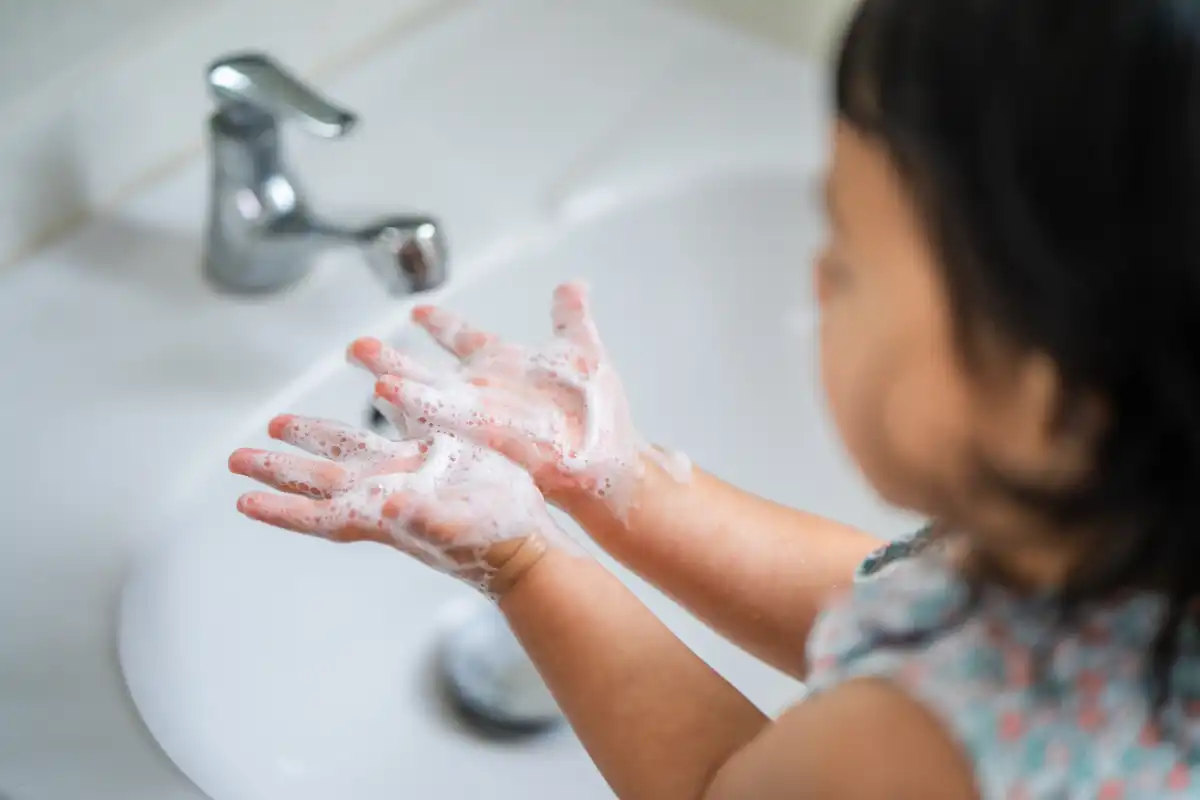
At kindergarten, kids start learning how to do things for themselves. They learn how to pack away toys, wash their hands, open their lunch box, and follow a routine. All of this helps build independence.
One of the biggest jumps kids face when starting school is managing themselves during the day. In kindergarten, they get a head start. They learn to look after their belongings, listen to instructions, and manage small challenges without always turning to an adult.
These small tasks, like zipping up a backpack or remembering where to line up, are big wins for kindy kids. By the time they get to school, those things feel familiar.
Social skills take off
Let’s be honest – one of the trickiest parts of school isn’t reading or writing. It’s learning how to get along with others. Kindy gives kids loads of time to practise just that.
In kindy, children learn how to take turns, share, listen to others, and solve problems in a kind way. They also learn what it’s like to be part of a group – to work with others, follow group rules, and talk about their feelings.
Social skills can’t be taught with a worksheet. They grow from play, conversation, and daily routines. Kindy gives kids a safe space to test out these skills, with educators there to guide and support them.
By the time they reach school, kids who’ve been to kindy are often more comfortable making friends and joining in. That makes the transition much smoother – for them and for their teachers.
Getting used to routines
In kindergarten, there’s a clear routine – play time, snack time, group time, rest time. It’s not as strict as school, but it gives kids a gentle introduction to structure.
Routines help children feel safe. They know what to expect and when. This helps reduce anxiety and makes the move to school a little less daunting.
Kindy kids also learn how to sit in a group, follow simple instructions, and stay on task for short periods. That might sound small, but these are the very skills they’ll need in the school classroom.
For tips on keeping the kindy routine going over weekends, read our guide on the kindy weekend reset.
Learning through play
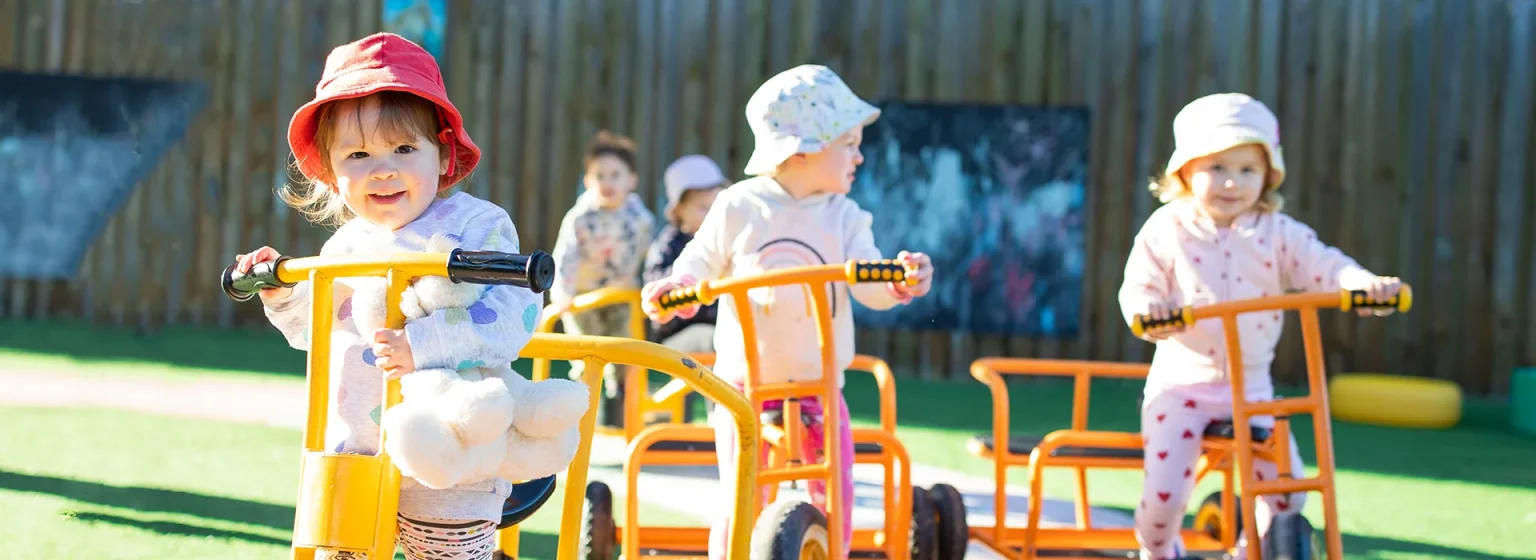
One of the best parts about kindy? It’s fun. Children learn through play – building with blocks, digging in the sandpit, dressing up, or role-playing in a little “shop.”
But it’s not just fun. It’s learning in action.
While playing, kids practise early maths skills (like sorting and counting), language skills (like storytelling and conversation), and problem-solving. They learn about cause and effect, cooperation, and creative thinking.
Kindy isn’t about worksheets or memorising facts. It’s about setting strong foundations through hands-on experiences. By the time they start school, kindergarten kids are more likely to have the skills and mindset to engage in formal learning.
Want more activity ideas to help your child get ready? Read our guides to top preschool activities and sensory play activities for kids.
Kindy helps families too
Kindy doesn’t just help kids – it helps parents and carers too. It gives families a chance to ease into the school system, meet other families, and get to know how their child learns.
Educators can also help identify if a child might need extra support before starting school, and work with parents to make sure they’re set up for success.
Starting school can feel overwhelming. Kindergarten gives families a bit of breathing space. A chance to prepare, ask questions, and get used to the idea of school life.
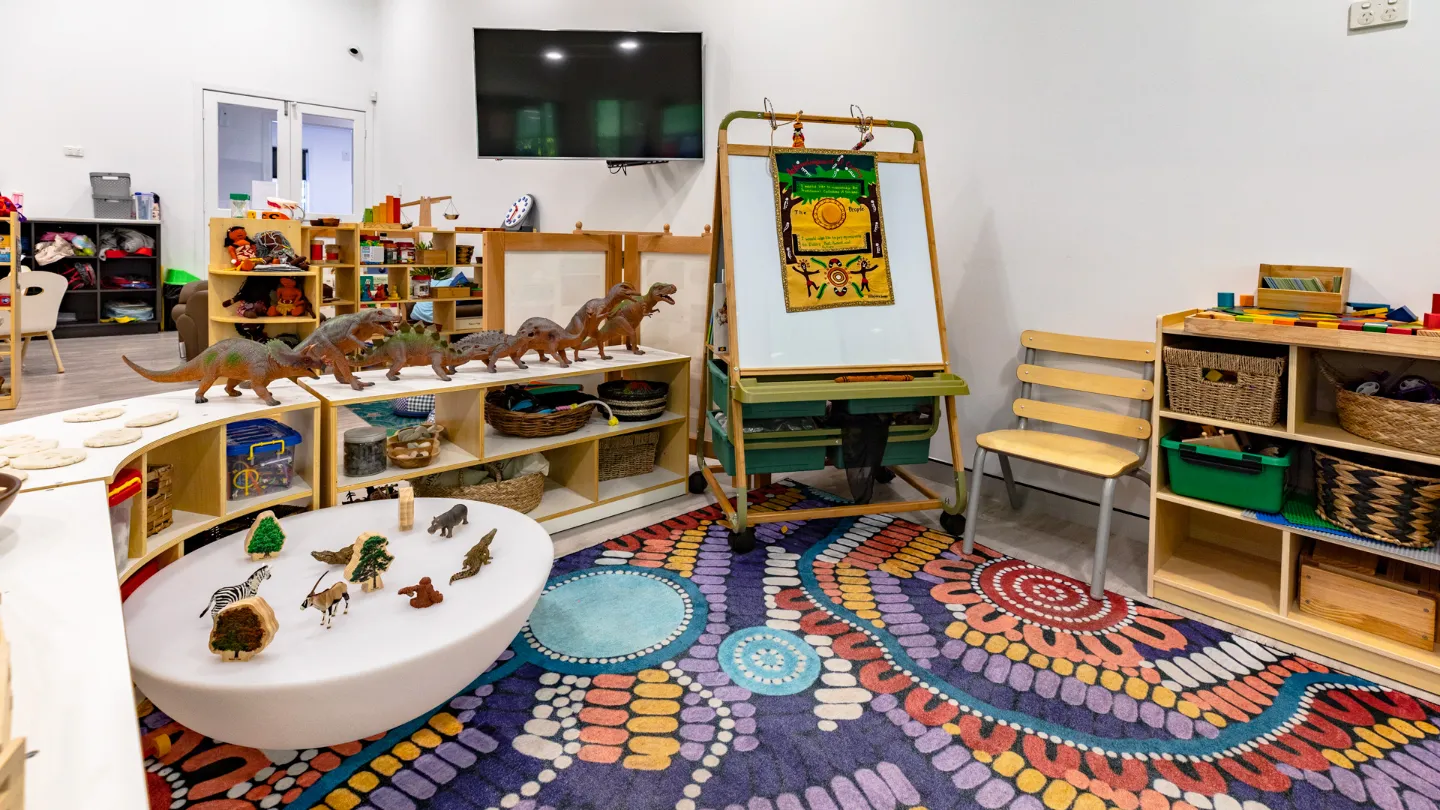
Kindy is more than finger painting and story time (though those are pretty great too). It’s a place where children grow in confidence, independence, and social skills. It sets the stage for learning and helps children feel excited and ready for their school journey.
If your child is heading into kindy soon, you’re giving them a gift – time to grow, learn, and get ready in their own way. And who knows? You might even learn a thing or two yourself.
So if you’re on the fence about enrolling your child in kindy, think of it as giving them a soft launch into the world of school. One step at a time, with lots of laughs, play, and learning along the way.

Blog & News
Our Recent News And
Articles








The Answers You’re Looking For
What age groups and programs do you offer?

How do I enrol and what are the fees?

Start by booking a tour so you can see the centre and meet the team. Our team will guide you through the enrolment form and required documents. Fees depend on age group and booked days, and most families are eligible for the Child Care Subsidy. We will help you understand CCS and set up a simple payment schedule so there are no surprises.
How do you handle meals, allergies, and special diets?
What does safety and supervision look like at the centre?
How will I hear about my child’s day and progress?

A World of Opportunities Awaits. Enroll Your Child in A Session Now!