

Top 5 play-based learning activities for toddlers
Play-based learning is one of the best ways to help toddlers develop important skills while having fun. This type of learning uses play to support children’s social, emotional, cognitive, and physical growth. Emotional development in early childhood is particularly important during this stage, as it helps toddlers learn how to identify and manage their feelings. At Kaleidoscope Kids Early Learning Centres, we believe that engaging toddlers in activities that encourage exploration, creativity, and problem-solving is essential for their development. Let’s look at five simple play-based learning activities that toddlers will love and that parents can easily try at home or encourage in daycare settings.
1. Building with blocks
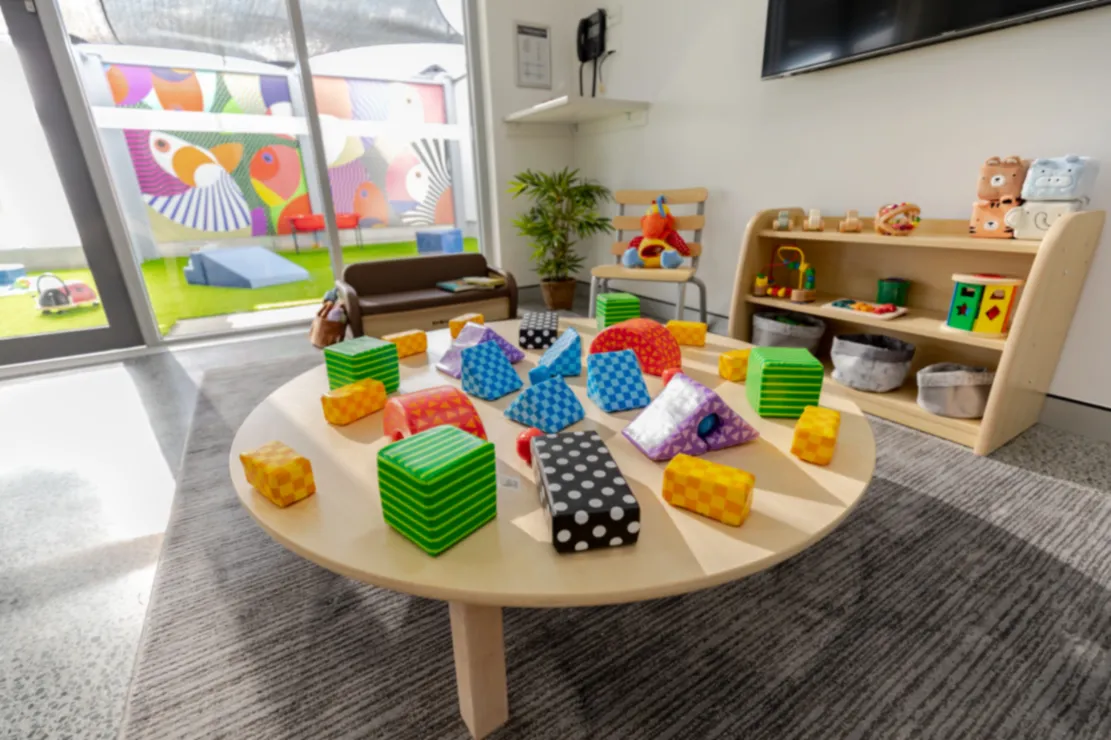
One of the best play-based learning activities for toddlers is building with blocks. Blocks come in all shapes, sizes, and colours, and they provide endless opportunities for children to explore their creativity. When toddlers stack blocks, they are developing their fine motor skills as they learn to grasp and balance the blocks. They also improve their spatial awareness and learn about cause and effect. For example, if they stack too many blocks on top of each other, they might topple over, teaching toddlers about balance and stability.
In addition, block play encourages problem-solving. If a toddler wants to build a tower but it keeps falling, they might think about how to change their approach to make it work. This kind of critical thinking is a key part of play-based learning. And it’s fun! Toddlers can get lost in their imaginations as they build structures and create stories around them, enhancing their creativity and cognitive development.
2. Pretend play with dress-up clothes
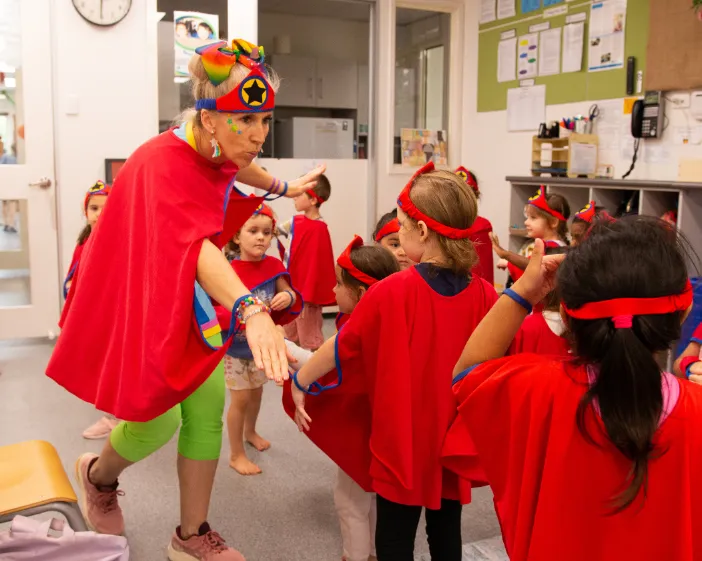
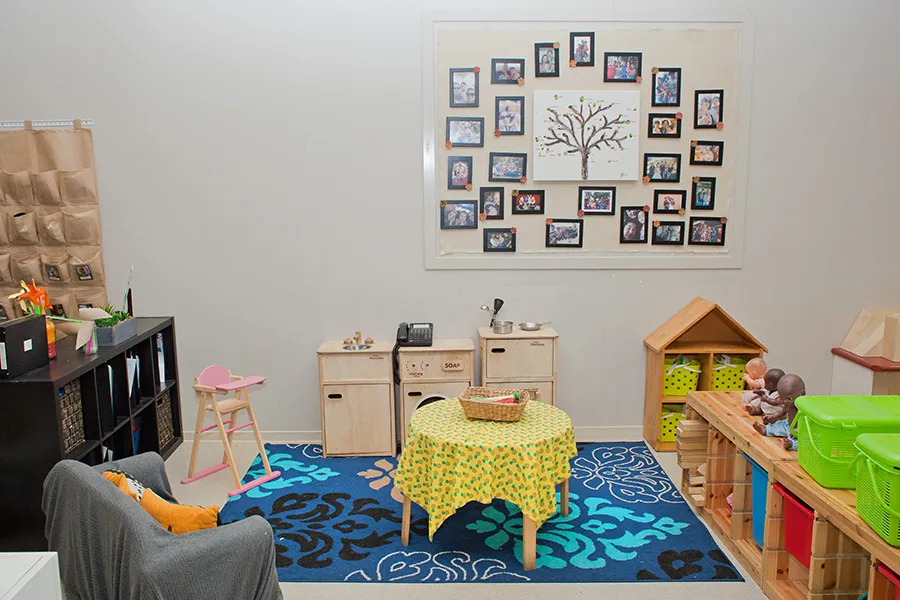
Pretend play is a fantastic way to engage toddlers in play-based learning. When children dress up in costumes and pretend to be different characters, they’re not only using their imagination, but they’re also developing social and emotional skills. For instance, toddlers may pretend to be a doctor, teacher, or chef, which allows them to act out real-life situations and explore different roles and responsibilities.
Pretend play helps toddlers understand the world around them by encouraging empathy. They begin to see things from others’ perspectives, which builds their emotional intelligence and supports emotional development in early childhood. Additionally, this type of play promotes language development. As toddlers engage in pretend conversations or create scenarios, they are practicing new words and phrases, which helps them become more confident communicators.
3. Art and craft activities
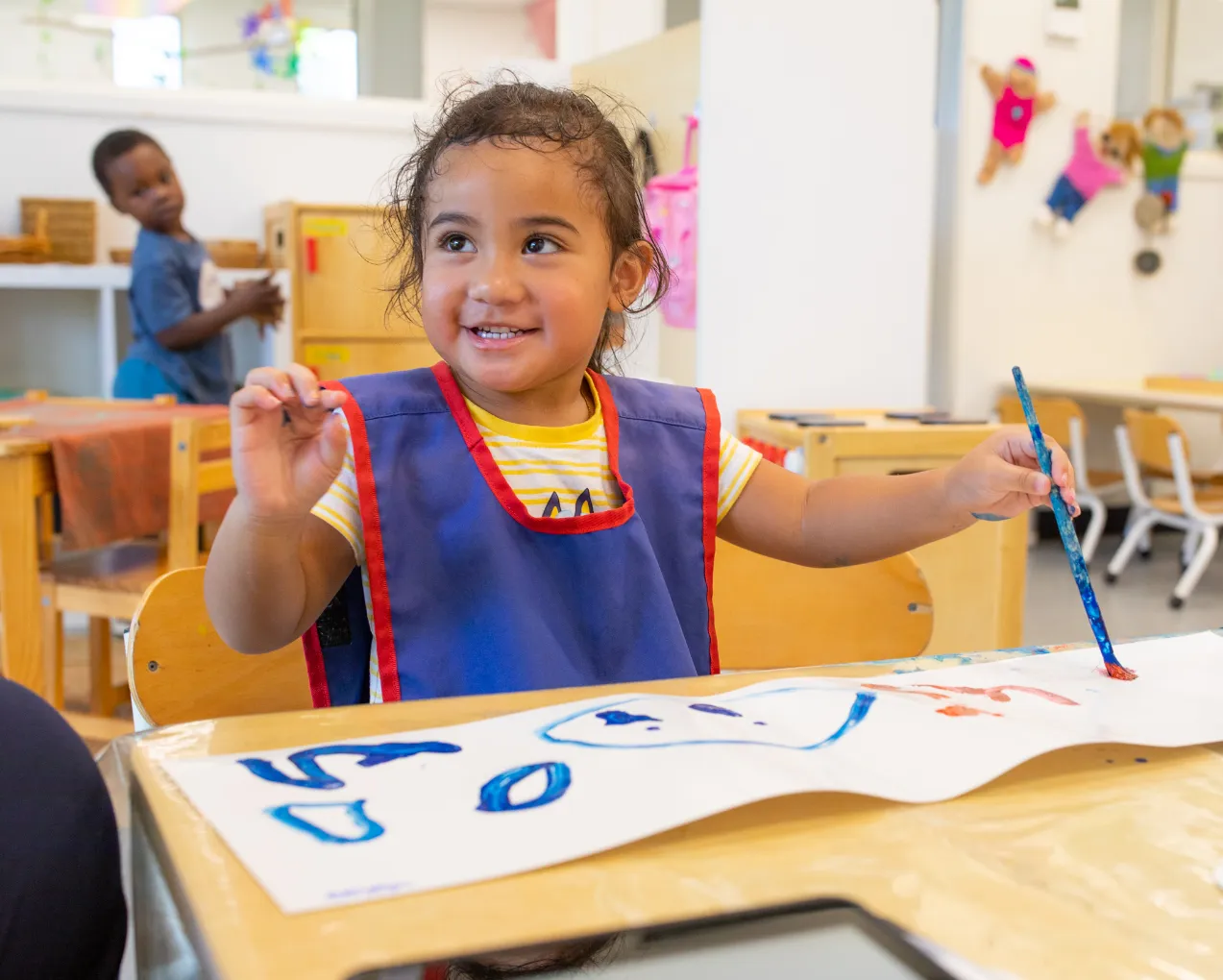
Art and craft activities are another exciting form of play-based learning. Toddlers love to get their hands messy with paints, crayons, markers, and other creative materials. When they create art, they practice fine motor skills, such as holding a paintbrush or cutting with safety scissors. These small movements help strengthen their hand-eye coordination, which is essential for more complex tasks later on.
Beyond the physical benefits, art and craft activities also encourage creativity and problem-solving. Toddlers may face challenges while drawing or assembling their craft projects. How do you make a face with just three circles? How can you make a paper plate into a fish? These activities stimulate a child’s ability to think critically and come up with creative solutions. They can also help toddlers express their emotions and ideas, allowing them to explore their feelings in a safe, nonverbal way.
4. Sensory play with water and sand
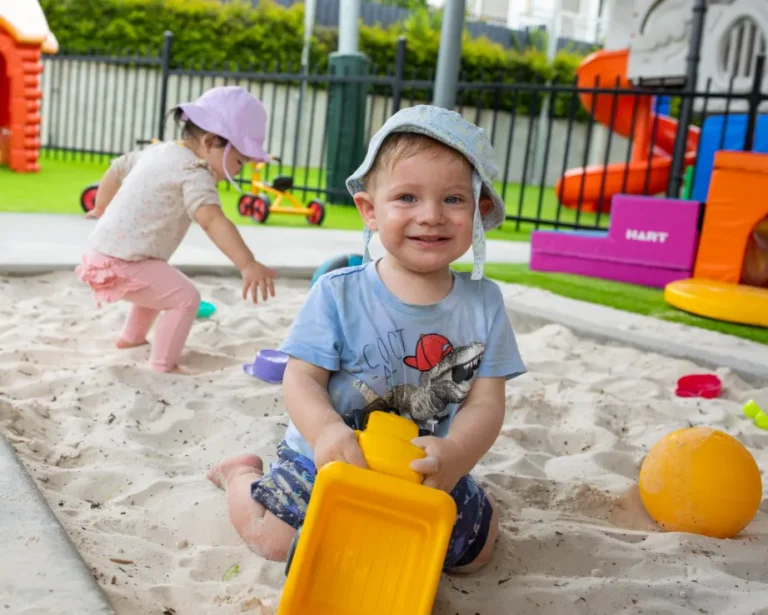
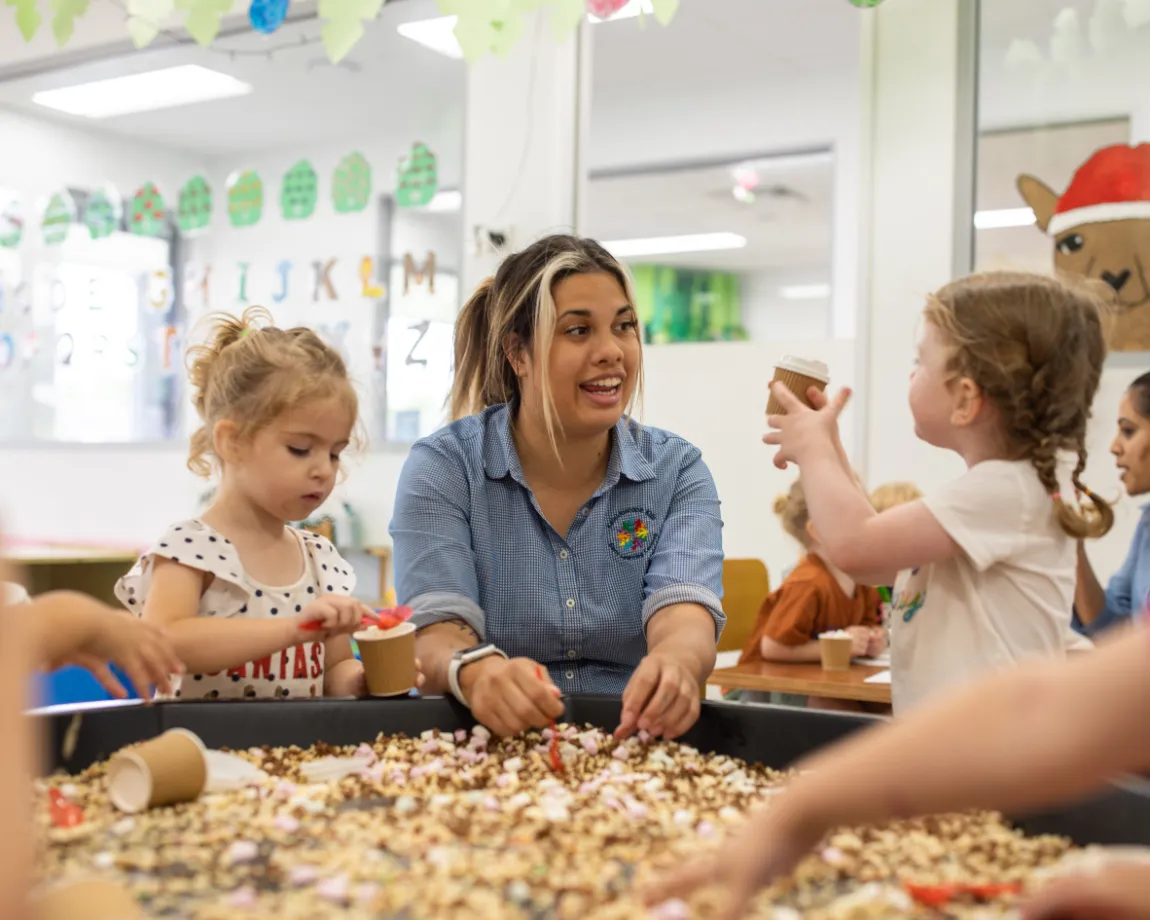
Sensory play is a key component of play-based learning and provides toddlers with the chance to explore the world around them through their senses. Water and sand play are great sensory activities that can be done indoors or outdoors. When toddlers play with water, they feel the texture, temperature, and weight of the liquid. Whether they’re splashing, pouring, or scooping, they are learning about fluid dynamics and cause and effect.
Similarly, sand play offers opportunities to explore texture, shape, and weight. Toddlers can build sandcastles, bury toys, or sift sand through their fingers, learning how materials change when manipulated. Sensory play with water and sand also helps toddlers develop language skills as they describe what they’re doing and explore new vocabulary. Plus, it’s an incredibly calming activity that can help toddlers develop focus and attention to detail, which plays a key role in their emotional development in early childhood.
5. Simple puzzles and problem-solving games
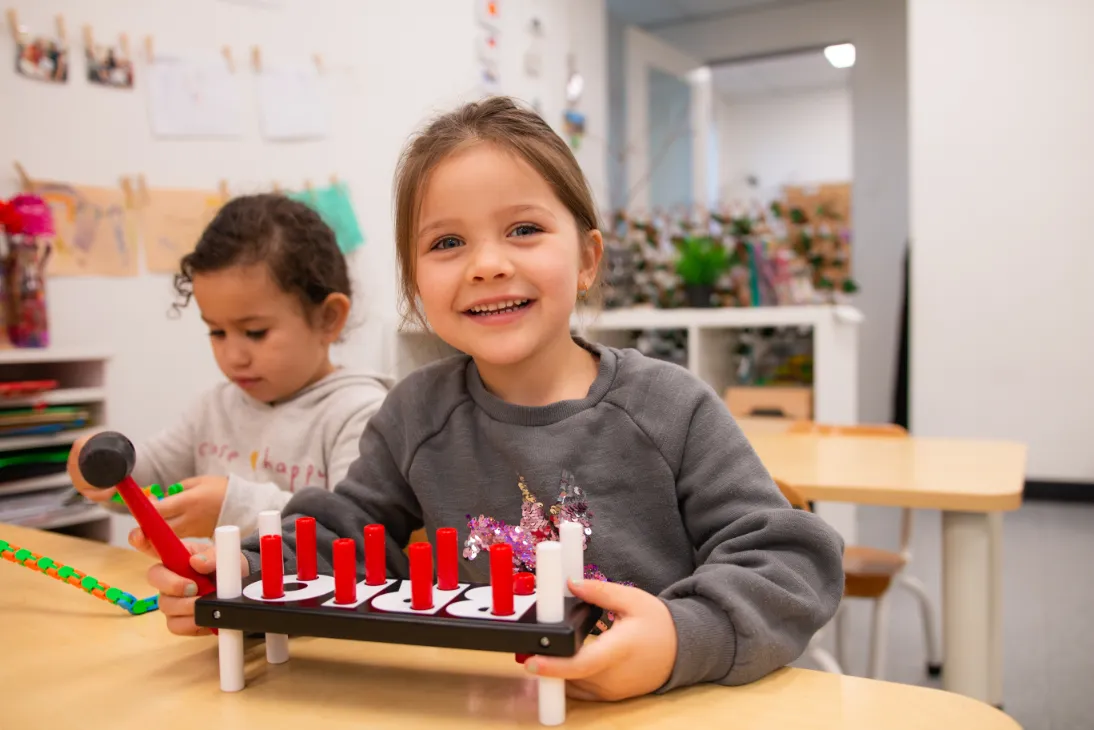
Puzzles are excellent for promoting cognitive development and play-based learning. By working on puzzles, toddlers practice their problem-solving skills as they figure out how the pieces fit together. Simple puzzles that involve matching shapes, colours, or animals help toddlers develop their hand-eye coordination and spatial awareness. The satisfaction of completing a puzzle also boosts their confidence and encourages perseverance.
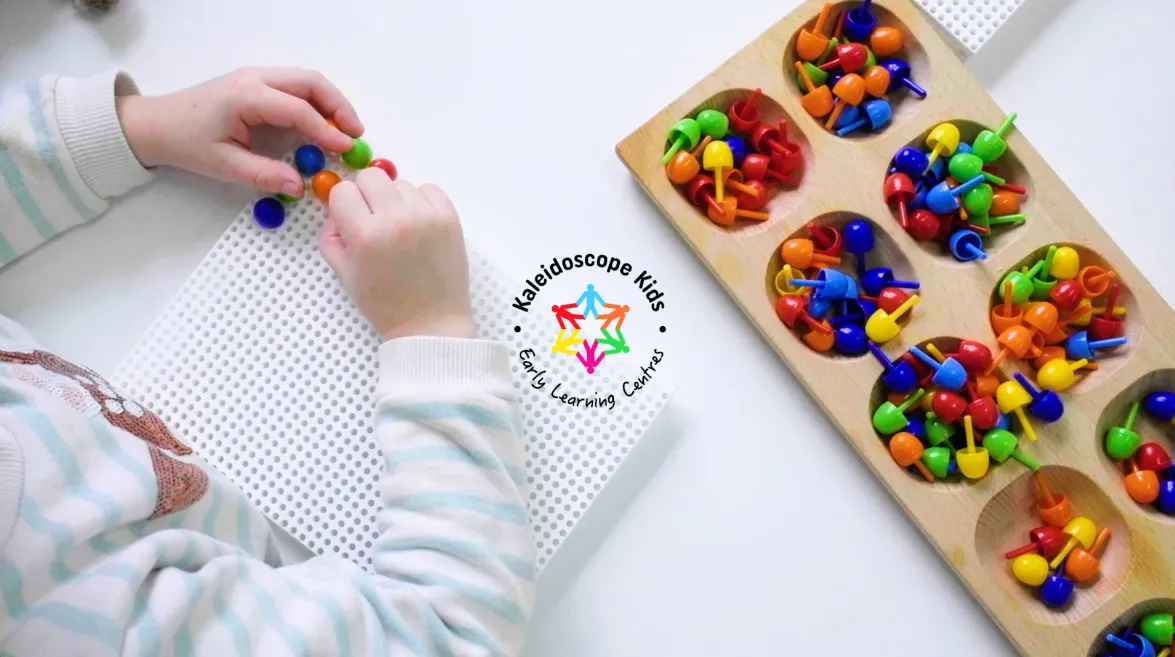
Problem-solving games, like sorting activities or matching games, also encourage toddlers to think critically. For example, sorting objects by colour, size, or type teaches toddlers about categorisation and patterns. These activities help improve memory and logical thinking, and they are a fun way to introduce the concepts of organisation and structure.
Why play-based learning is so important
At Kaleidoscope Kids Early Learning Centres, we understand that toddlers learn best when they are having fun. Play-based learning activities not only keep them engaged, but they also promote the development of essential skills in a natural and enjoyable way. Whether they are building with blocks, dressing up for pretend play, or solving puzzles, toddlers are learning important social, emotional, and cognitive skills that will serve them well as they grow.
Play-based learning is also highly adaptable to the needs and interests of each child. At our centres, we tailor activities to ensure that every toddler has the opportunity to explore, experiment, and grow at their own pace, supporting their emotional development in early childhood. With our dedicated educators and rich, hands-on resources, we make sure that play-based learning is always at the heart of every day.
From block play to puzzles and sensory activities, the possibilities for play-based learning are endless. By incorporating these activities into your toddler’s day, you’ll be helping them develop essential skills while fostering a love of learning. And when you choose Kaleidoscope Kids Early Learning Centres, you’re giving your child the best environment to thrive through play-based learning. Our centres are designed to be safe, nurturing, and fun, giving your toddler the perfect foundation for their future development.
If you’re looking for a place where your child can grow, learn, and play every day, we invite you to visit Kaleidoscope Kids. Our play-based learning approach helps children unlock their full potential while keeping things exciting and engaging. Come and see the difference we can make in your child’s early learning journey.

Blog & News
Our Recent News And
Articles








The Answers You’re Looking For
What age groups and programs do you offer?

How do I enrol and what are the fees?

Start by booking a tour so you can see the centre and meet the team. Our team will guide you through the enrolment form and required documents. Fees depend on age group and booked days, and most families are eligible for the Child Care Subsidy. We will help you understand CCS and set up a simple payment schedule so there are no surprises.
How do you handle meals, allergies, and special diets?
What does safety and supervision look like at the centre?
How will I hear about my child’s day and progress?


A World of Opportunities Awaits. Enroll Your Child in A Session Now!