


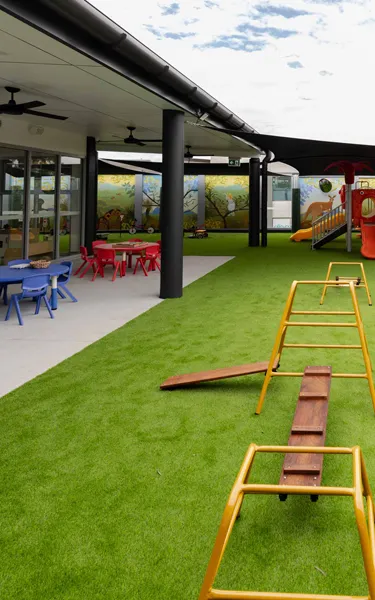
Sensory Play Activities for Kids
As a parent or educator, it’s amazing to watch a young child explore the world around them. Their curiosity is like a sponge, soaking up every new experience. One of the best ways to support this natural development is through sensory play activities for kids. These activities don’t just keep little ones busy – they help their brains grow and develop in important ways!
Best Activities for Kids
What is sensory play?
Sensory play involves any activity that stimulates a child’s senses – touch, taste, smell, sight, and hearing. It allows kids to explore different textures, sounds, colours, and even tastes in a way that encourages learning and discovery. Sensory play helps kids make sense of the world by connecting their experiences with their developing brains. It’s like a workout for their minds, building important neural connections that will set the foundation for future learning.
But don’t worry – sensory play isn’t about boring tasks or complicated setups. It’s all about having fun while engaging the senses. Here are some ideas that will keep your Kindy kids learning while playing!
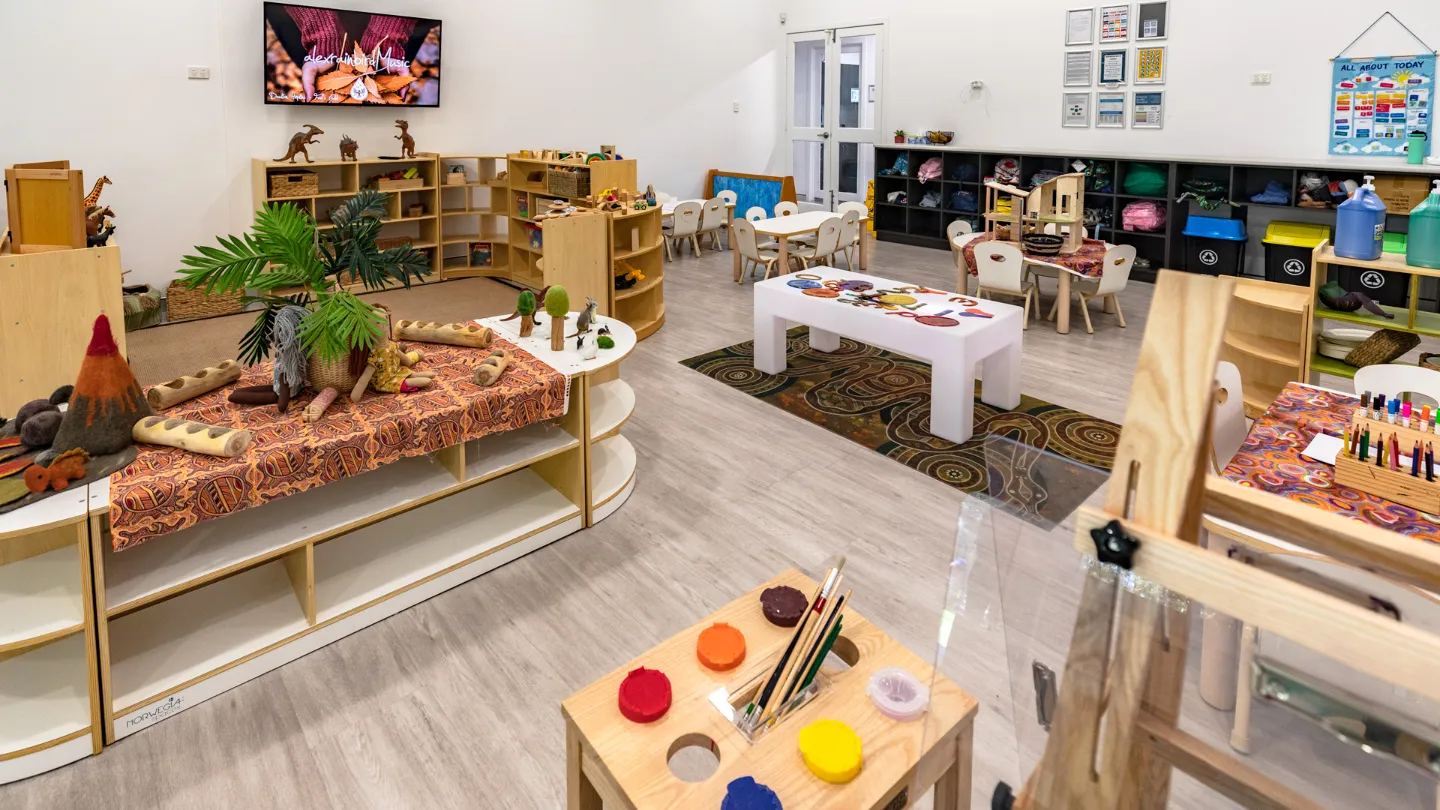
How sensory play helps brain development
The benefits of sensory play go beyond just fun and games. It helps with cognitive development, motor skills, language, social skills, and even emotional regulation. Here’s a deeper look at how sensory play activities for kids contribute to their growth:
Cognitive development
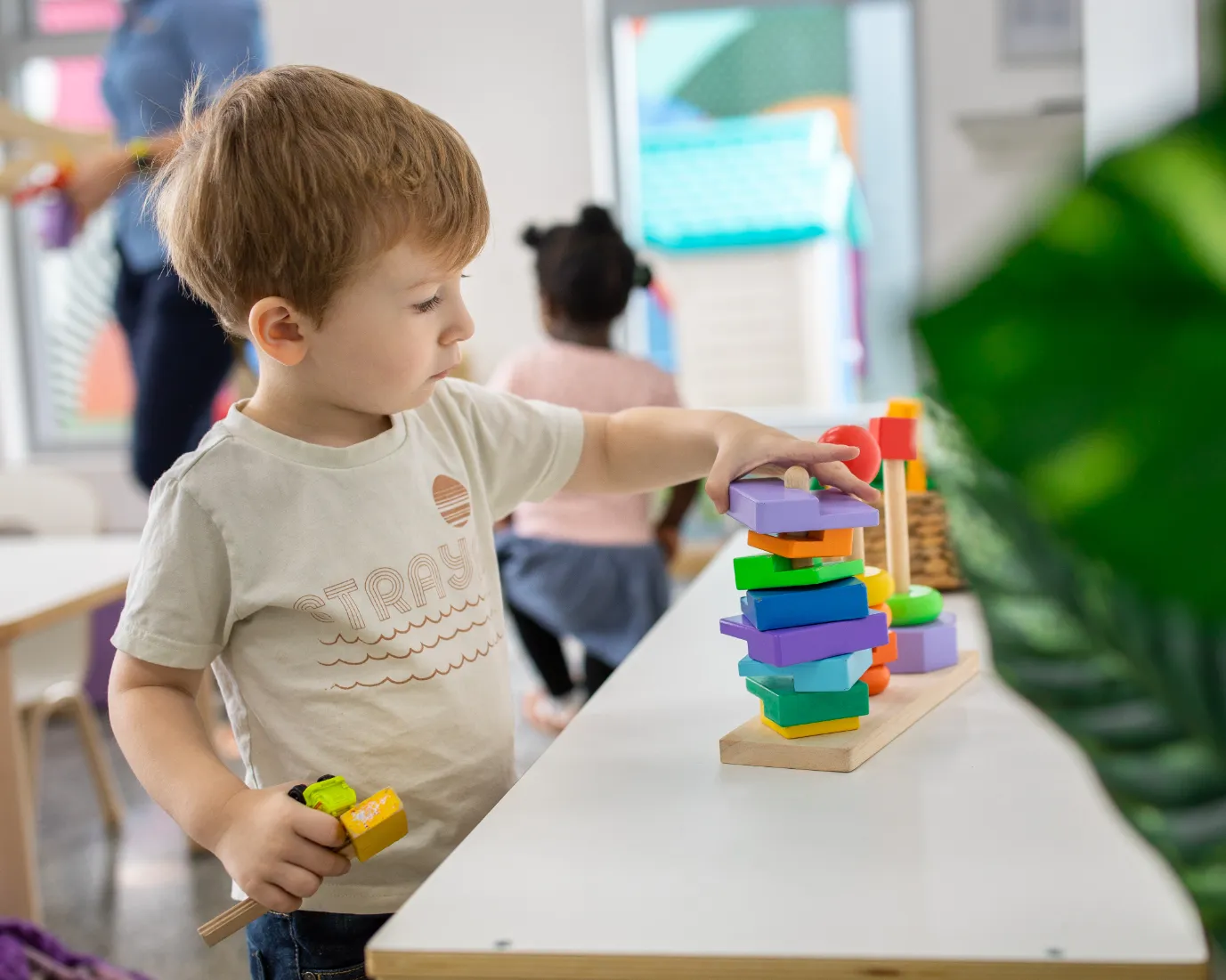
Sensory play helps improve problem-solving skills and memory. As kids engage with different materials and textures, they learn to observe, experiment, and make connections. Whether they’re figuring out how to build a tower with blocks or how different liquids mix together, these activities give them a mental workout.
Motor skills
Sensory play often involves hands-on activities, like squishing playdough, filling containers with sand, or pouring water. These simple actions help children strengthen their fine motor skills, which are essential for things like writing, using scissors, or even tying their shoes. Plus, many sensory activities require hand-eye coordination, which is an important skill for daily tasks.
Language skills
Sensory play provides opportunities for rich language development. As children explore textures and materials, they often describe what they feel, see, or hear. They may not even realise they’re learning new words, but that’s exactly what’s happening. When kids play with others, sensory play encourages social communication, helping them learn how to express their needs and interact with peers.
Social skills
Group sensory activities for kids encourage cooperation, sharing, and teamwork. When they play together, they learn how to take turns, negotiate, and resolve conflicts. Plus, they get to practice empathy as they watch their friends enjoy the same activities.
Emotional regulation
Sensory play can also help children manage their emotions. For example, activities that involve calming sensory experiences, like playing with water or soft fabrics, can help children relax and reduce anxiety. On the flip side, more active sensory play (like jumping in a pile of leaves or playing with bouncy balls) can help children release energy and improve their mood.
Sensory play ideas for kindy kids
So, how can you get started with sensory play activities for kids? Here are some simple and fun ideas that you can try at home or in the classroom:
DIY sensory bottles
Sensory bottles are an easy, fun, and cheap way to keep kids entertained while stimulating their senses. Fill a plastic bottle with glitter, water, food colouring, beads, or even small toys. When the bottle is shaken, kids can watch the glitter swirl or the beads float, all while stimulating their sense of sight and sound. You can also add in essential oils like lavender or citrus to enhance the experience.
Playdough fun
Playdough is a classic sensory play material. You can make your own by mixing flour, salt, water, and food colouring. Encourage your Kindy kids to roll, squish, and shape the dough. The act of manipulating the dough engages both their tactile senses and fine motor skills. Plus, it’s an excellent way for kids to express their creativity. You can even add tools like cookie cutters or rolling pins for extra fun.
Sensory bins
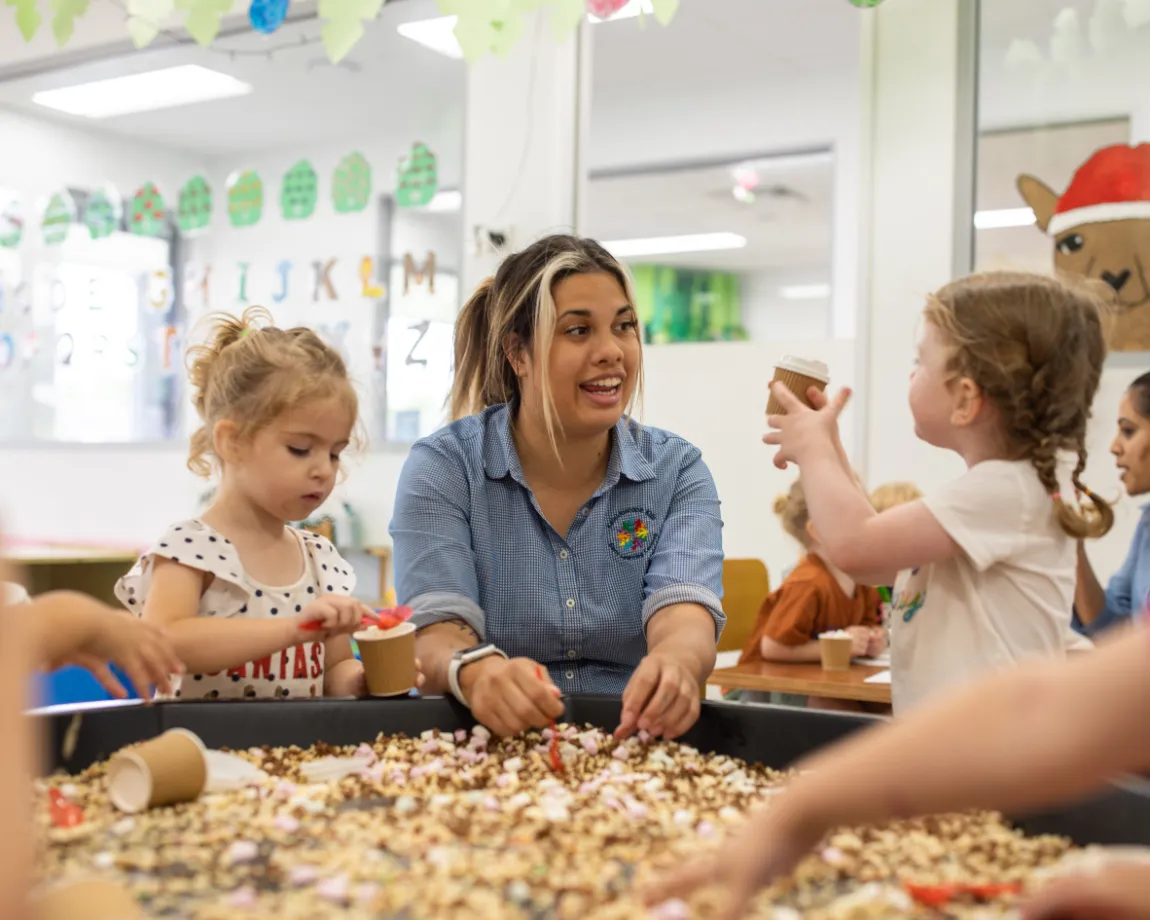
Sensory bins are a wonderful way to engage children in tactile exploration. Fill a large container with rice, pasta, beans, or sand. Hide small toys, buttons, or even plastic animals inside for kids to find. Sensory bins allow children to practice their fine motor skills as they dig, scoop, and pour. They also get to use their imagination while playing.
Water play
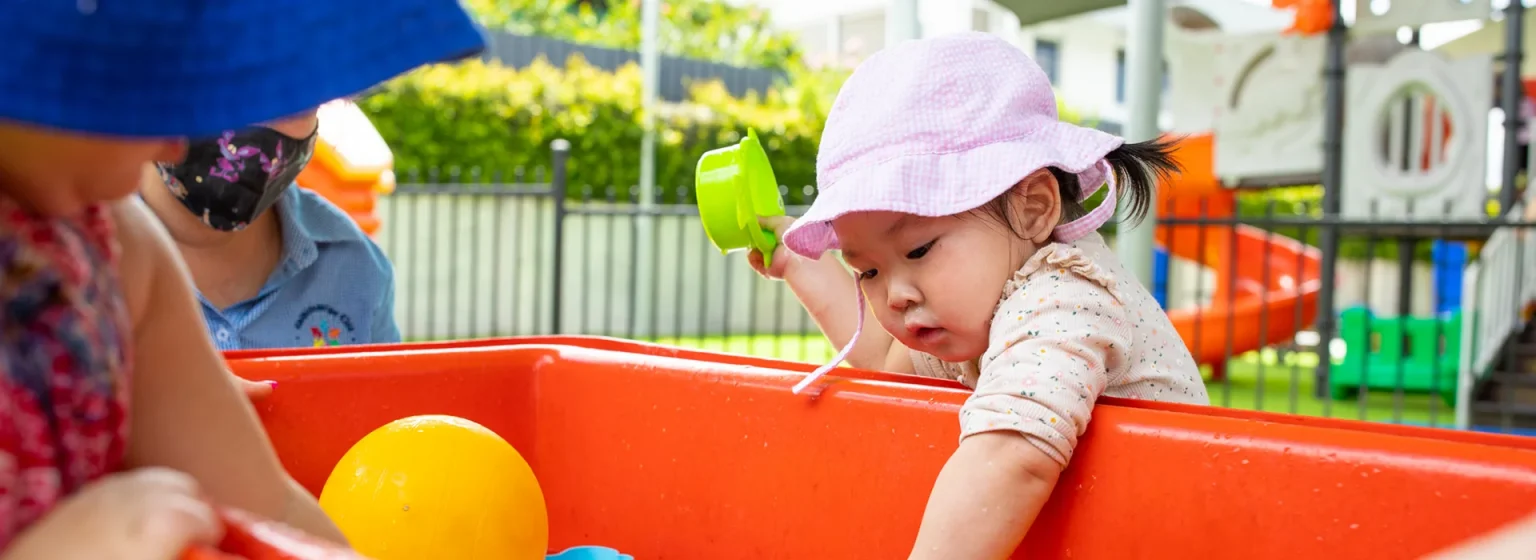
Water play is one of the easiest sensory play activities for kids and provides endless opportunities for learning. You can set up a water table or simply fill a shallow container with water. Provide cups, sponges, and plastic toys, and let the kids experiment with pouring, splashing, and mixing. Water play can be incredibly calming for kids and is a great way to cool off on a hot day.
Nature walks
Nature walks are a fantastic outdoor sensory activity that stimulates all five senses. Head to the park, the beach, or even your backyard and encourage kids to use their senses to explore. What sounds do they hear? What textures do they feel when they touch the grass or rocks? What does the air smell like? Nature walks provide a wealth of sensory experiences and a great opportunity for language development as kids describe what they see.
Painting with a twist
Instead of traditional painting with brushes, let the kids explore new textures and tools. Have them paint with their fingers, sponges, or even cotton balls. You can also incorporate scents by adding a few drops of essential oils to the paint. This way, kids engage their sense of touch and smell as they create colourful masterpieces.
Smell jars
For a sensory activity that focuses on the sense of smell, create smell jars by filling small containers with various aromatic substances like dried flowers, spices, or fruits. Seal the jars and let the kids take turns smelling them. Ask them to describe what they smell, or encourage them to match the smell with an image or object. This activity can also help improve memory and cognitive function as kids learn to identify different scents.
Sand play
If you have access to a sandbox or a beach, sand play is an excellent sensory activity for kids. Kids love digging, scooping, and burying things in the sand. You can provide small toys, shovels, and buckets for them to explore. The texture of the sand and the sound of it shifting through their fingers is a soothing sensory experience that helps with both fine and gross motor skills.
Looking for more play ideas? Read our guide to top preschool activities that promote early learning.
Incorporating sensory play into your routine
The great thing about sensory play activities for kids is that they can be incorporated into everyday routines. Whether you’re cooking in the kitchen, gardening, or simply taking a walk, there are always opportunities for sensory exploration. Just make sure to provide a safe and open environment where children can explore freely and use their imagination.
The benefits of sensory play extend far beyond fun – it helps children build essential skills they will use throughout their lives. From problem-solving and creativity to emotional regulation and social interaction, sensory play lays the foundation for future success.
So, the next time you’re wondering how to engage your Kindy kids in a meaningful way, remember: sensory play is not just about fun – it’s about building the skills they need for a lifetime of learning.

Blog & News
Our Recent News And
Articles









The Answers You’re Looking For
What age groups and programs do you offer?

How do I enrol and what are the fees?

Start by booking a tour so you can see the centre and meet the team. Our team will guide you through the enrolment form and required documents. Fees depend on age group and booked days, and most families are eligible for the Child Care Subsidy. We will help you understand CCS and set up a simple payment schedule so there are no surprises.
How do you handle meals, allergies, and special diets?
What does safety and supervision look like at the centre?
How will I hear about my child’s day and progress?


A World of Opportunities Awaits. Enroll Your Child in A Session Now!