
Welcome To Kaleidoscope Kids

follow us :

Welcome To Kaleidoscope Kids

follow us :

Welcome To Kaleidoscope Kids

What is separation anxiety in children?

What is separation anxiety in children?

What is separation anxiety in children?

Separation Anxiety in children

Separation Anxiety in children

Complete the form above and we’ll get back to you as soon as possible to arrange your visit.

Complete the form above and we’ll get back to you as soon as possible to arrange your visit.

Complete the form above and we’ll get back to you as soon as possible to arrange your visit.

What is separation anxiety in children?

27 Oct 2022

27 Oct 2022

What is separation anxiety in children?

Separation Anxiety in children

Separation anxiety is children’s fear of being away from their parents or carers. Children with separation anxiety might cry or cling to their parents or carers when being separated from them.

Separation anxiety is a common part of children’s development. It can start at around 8 months and reach its peak in babies aged 14-18 months. It usually goes away gradually throughout early childhood.Fear of strangers is similar to separation anxiety. It’s when children get upset around people they don’t know.

These anxieties are nothing to be concerned about. Children are starting to move around more at this stage, so these anxieties make sense from a survival point of view. That is, if children could crawl or walk away from their carers but weren’t afraid of separation or strangers, they’d get lost more easily.

Helping babies and children with separation anxiety

If your child is suffering from separation anxiety, it’s best not to avoid separation. Instead, there are many things you can do to gently encourage and help your child.

In new places

If you’re leaving your baby or child somewhere new, like a relative’s house, child care centre or preschool, spend time at the new place with your child before the separation. Your child will be less distressed if they’re left in a safe, familiar place with familiar people they trust.
Let your baby or child take something they love from home, like a teddy bear, pillow or blanket. These objects will help your child feel safer, and you can gradually phase them out as your child feels more settled in the new place.
Tell your baby or child’s relative, child care centre, preschool or school about their separation anxiety. Also let them know about what you’re doing to help your child. This way, other people can give your child consistent support.

When you’re leaving your baby or child

Start with short separations from your baby or child. You can gradually increase the time apart as your child becomes comfortable with separation.
Tell your child when you’re leaving and when you’ll be back. This is helpful even with babies. Leaving without saying goodbye can make things worse. Your baby or child might feel confused or upset when they realise you’re not around. They might be fearful and harder to settle the next time you leave them.
Settle your child in an enjoyable activity before you leave.
Say goodbye to your child briefly – don’t drag it out.
Keep a relaxed and happy look on your face when you’re leaving. If you seem worried or sad, your child might think the place isn’t safe and can get upset too.

At home

Help your baby get used to being apart from you by leaving them in a room with someone else. For example, ‘I’m just going to the kitchen for a little bit. Nanna will look after you’. Start with very short separations and build up over time.
Avoid criticising or being negative about your child’s difficulty with separation. For example, avoid saying things like ‘She’s such a mummy’s girl’ or ‘Don’t be such a baby’.
Read books or make up stories with your child about separation fears. For example, ‘Once upon a time, there was a little bunny who didn’t want to leave his mummy. He was afraid of what he might find outside his burrow …’. This might help your child feel they’re not alone in being afraid of separating from their parents.
Make a conscious effort to foster your child’s self-esteem by giving them plenty of positive attention when they’re brave about being away from you.

At around 10 months, most babies get upset if a stranger comes up to them in an unfamiliar room. Only 50% get upset if they have time to get used to the room. This means that in new situations, babies cope better when they come across new things gradually.

Professional help for separation anxiety and separation anxiety disorder

You know your child best. If you’re worried about their separation anxiety, consider seeking professional help. You could start with:

  • your child’s teacher at preschool or school

  • a school counsellor

  • your child’s GP or paediatrician

  • your local children’s health or community health centre

  • a specialist anxiety clinic (present in most states)

  • your local mental health service.

Blog & News

Our Recent News And

Articels

9 Oct 2025

Outdoor play at our Booval childcare

When parents picture their child’s day at Booval childcare they often imagine finger painting, story time, and small group play inside. Those things matter, but what happens outside is just as powerful for a child’s growth.

4 Oct 2025

Starting kindy in Logan

Tips to make the first day at kindy in Logan easier

30 Sept 2025

First day nerves at Booval childcare centre?

Helping your child settle in at our Booval childcare centre

9 Oct 2025

Outdoor play at our Booval childcare

When parents picture their child’s day at Booval childcare they often imagine finger painting, story time, and small group play inside. Those things matter, but what happens outside is just as powerful for a child’s growth.

4 Oct 2025

Starting kindy in Logan

Tips to make the first day at kindy in Logan easier

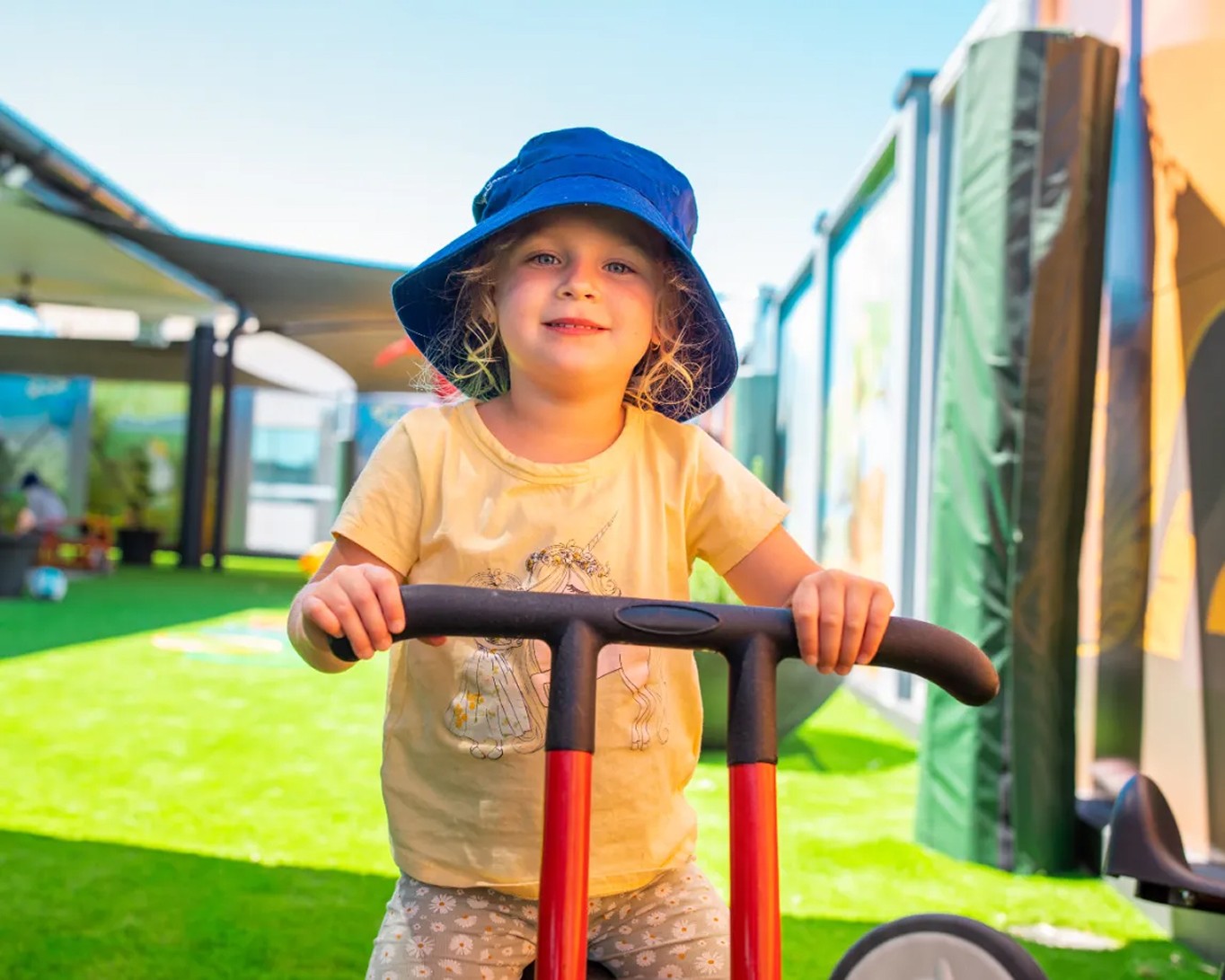
Child smiling while riding a scooter in the outdoor play area at Kaleidoscope Kids childcare in Brisbane.

Testimonials

What Our Parents Are

Saying

Carla Shay
Carla Shay
• Parent
Booval Centre
My kids love this center. The educators and staff are amazing with my kids and always treat them like their own. They always go above and beyond to make sure we are always happy and looked after. Forever grateful my kids get to do their pre schooling years at Kaleidoscope Kids Booval.
Child smiling while riding a scooter in the outdoor play area at Kaleidoscope Kids childcare in Brisbane.

Testimonials

What Our Parents Are

Saying

Carla Shay
Carla Shay
• Parent
Booval Centre
My kids love this center. The educators and staff are amazing with my kids and always treat them like their own. They always go above and beyond to make sure we are always happy and looked after. Forever grateful my kids get to do their pre schooling years at Kaleidoscope Kids Booval.
Child smiling while riding a scooter in the outdoor play area at Kaleidoscope Kids childcare in Brisbane.

Testimonials

What Our Parents Are Saying

Carla Shay
Carla Shay
• Parent
Booval Centre
My kids love this center. The educators and staff are amazing with my kids and always treat them like their own. They always go above and beyond to make sure we are always happy and looked after. Forever grateful my kids get to do their pre schooling years at Kaleidoscope Kids Booval.

The Answers You’re Looking For

Frequently Asked

Questions

Frequently Asked

Questions

What age groups and programs do you offer?

How do I enrol and what are the fees?

Start by booking a tour so you can see the centre and meet the team. Our team will guide you through the enrolment form and required documents. Fees depend on age group and booked days, and most families are eligible for the Child Care Subsidy. We will help you understand CCS and set up a simple payment schedule so there are no surprises.

How do you handle meals, allergies, and special diets?

What does safety and supervision look like at the centre?

How will I hear about my child’s day and progress?

What age groups and programs do you offer?

How do I enrol and what are the fees?

Start by booking a tour so you can see the centre and meet the team. Our team will guide you through the enrolment form and required documents. Fees depend on age group and booked days, and most families are eligible for the Child Care Subsidy. We will help you understand CCS and set up a simple payment schedule so there are no surprises.

How do you handle meals, allergies, and special diets?

What does safety and supervision look like at the centre?

How will I hear about my child’s day and progress?

What age groups and programs do you offer?

How do I enrol and what are the fees?

Start by booking a tour so you can see the centre and meet the team. Our team will guide you through the enrolment form and required documents. Fees depend on age group and booked days, and most families are eligible for the Child Care Subsidy. We will help you understand CCS and set up a simple payment schedule so there are no surprises.

How do you handle meals, allergies, and special diets?

What does safety and supervision look like at the centre?

How will I hear about my child’s day and progress?

A World of Opportunities Awaits. Enroll Your Child in A Session Now!

A World of Opportunities Awaits. Enroll Your Child in A Session Now!

A World of Opportunities Awaits. Enroll Your Child in A Session Now!

Kaleidascope Kids Logo

At Kaleidoscope Kids, we provide a safe and caring space where children learn, play, and grow with confidence. Our play-based programs inspire curiosity, creativity, and a love for learning.


Led by passionate educators, we work closely with families to support each child’s unique journey. Together, we build strong foundations for a bright and happy future.

Newsletter

Subscribe For The Latest Updates

© 2024 Kaleidoscope Kids

Terms of Use

Privacy Policy

Kaleidascope Kids Logo

At Kaleidoscope Kids, we provide a safe and caring space where children learn, play, and grow with confidence. Our play-based programs inspire curiosity, creativity, and a love for learning.

Newsletter

Subscribe For The Latest Updates

© 2024 Kaleidoscope Kids

Terms of Use

Privacy Policy