


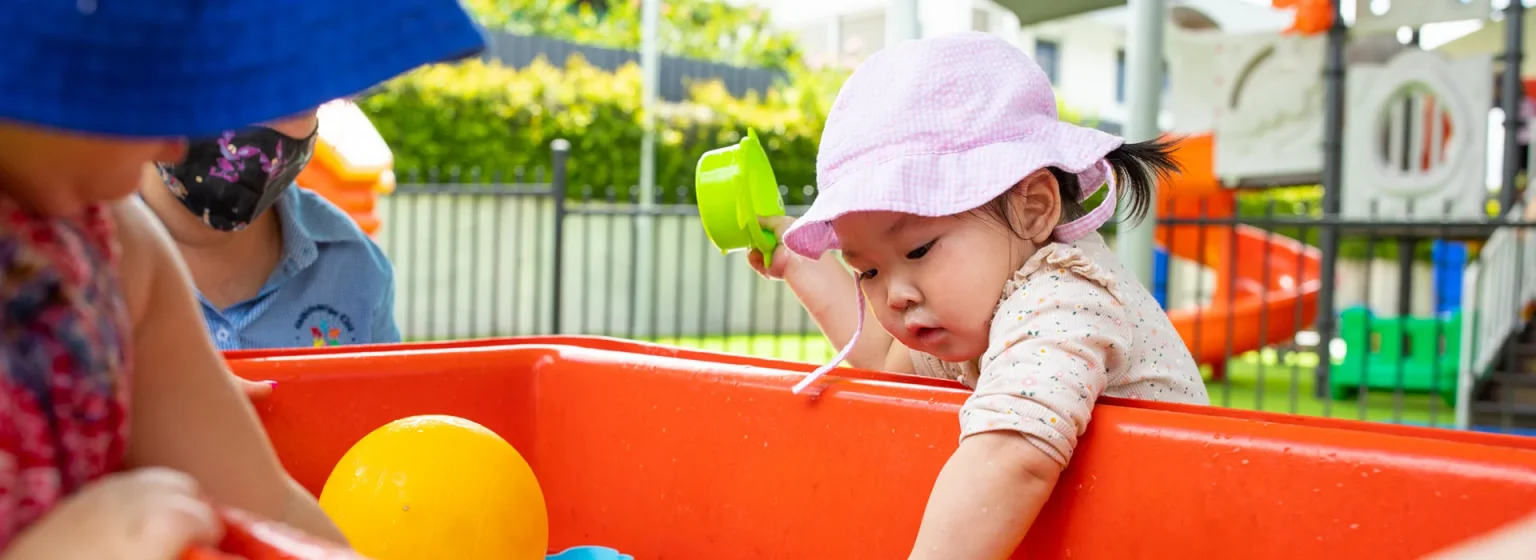
Why early social interaction is good for babies
Babies learn a lot in their first year of life. From smiling and babbling to crawling and walking, their brains are busy every day. But one part that's just as important as learning to sit or roll is learning how to connect with other people.
Early social interaction plays a big part in how babies grow and understand the world. It helps them feel safe, build trust, and start learning how to communicate. One of the best places for babies to practise social skills in a gentle and fun way is at baby day care.
In this blog, we'll talk about how early interaction helps with development, how babies benefit from being around others, and why baby day care can be a great space for this kind of learning. If you're still weighing up timing, our guide on the best age to start childcare is worth a read too.
Baby day care and the benefits of early social interaction
Babies learn by watching and copying
From a very young age, babies watch what’s happening around them. They notice facial expressions, listen to sounds, and start to copy what they see and hear. If someone smiles at a baby, they often smile back. If they hear someone say “hello” in a happy voice, they might giggle or wave.
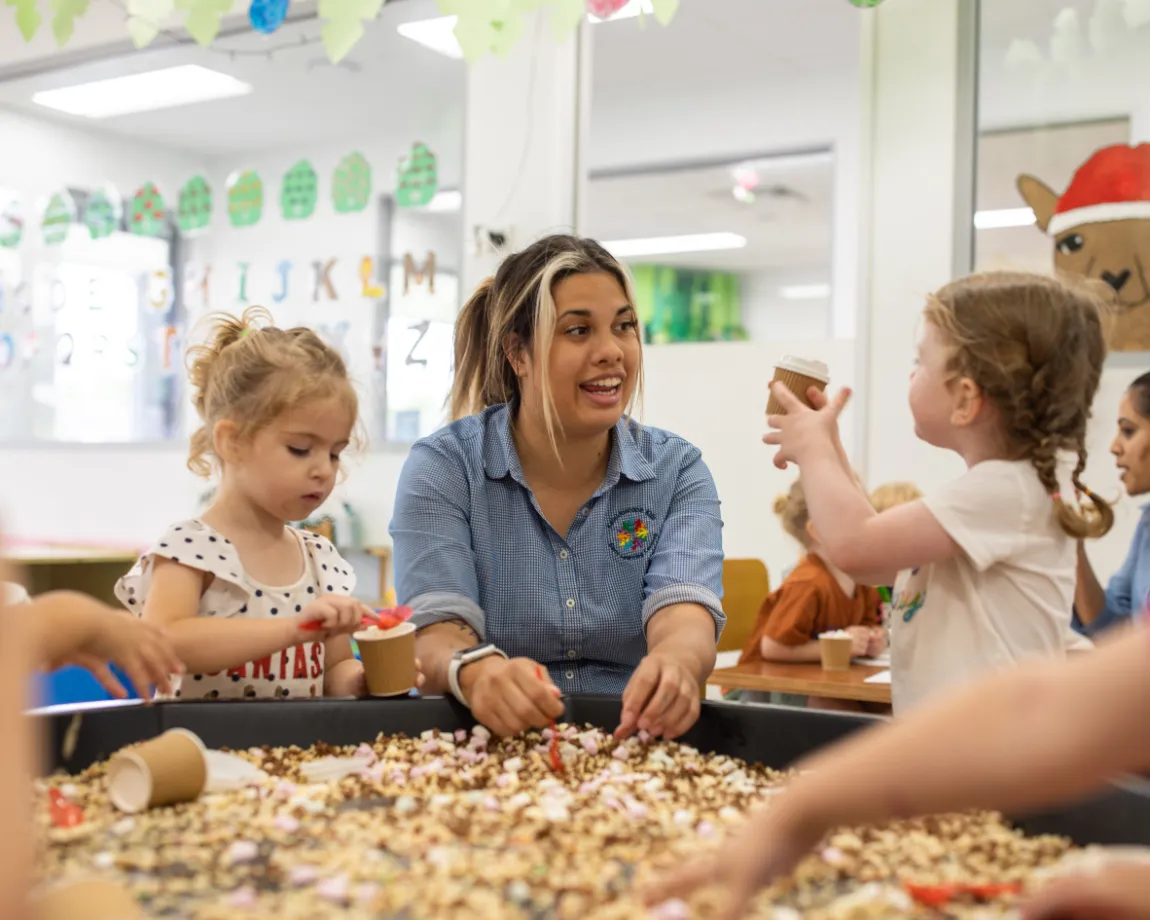
This is how babies begin to understand emotions and communication. Being around other babies, carers, and childcare educators gives them more chances to practise these skills. In baby day care, babies are part of a little group where they can see other babies laughing, clapping, or playing, and they learn by watching and joining in.
Early social play builds confidence
When babies are only around one or two people at home, they can be a bit unsure in new settings. That’s totally normal. But gentle social play in a safe space like baby day care helps build confidence over time.
At first, a baby might sit back and watch others. Then they start crawling closer, reaching out for the same toy, or making eye contact with another baby. Before long, they’re sitting in a circle, listening to songs, or exploring the room side by side with a friend.
Group play doesn’t mean babies have to share everything or take turns perfectly. It just gives them a space to be around others their age, learning how to be part of a group, in a way that feels safe and calm.
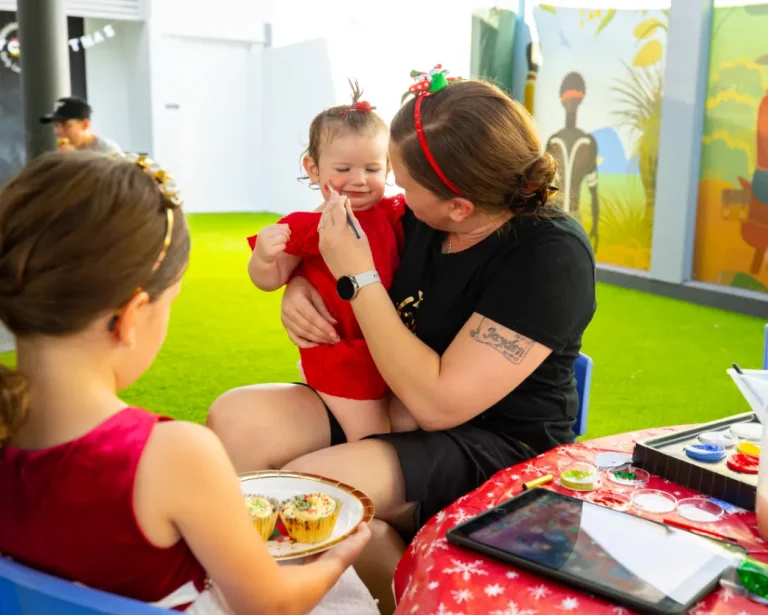
It helps with communication
Social interaction is closely linked to language development. Babies who hear more talking and who spend time in groups often start babbling earlier and develop stronger early language skills.
In baby day care, babies hear all sorts of words, songs, and sounds. Educators talk to babies all day, explaining what’s happening, naming objects, reading books, and singing songs. When babies hear other children laughing, squealing, or saying simple words, they want to join in.
Even before they can talk, babies use sounds, eye contact, and body language to communicate. Being around other babies helps them practise and improve those skills.
It supports emotional development
Being around others helps babies start learning about emotions, both their own and other people’s. In a group setting like baby day care, babies see others express feelings like happiness, frustration, or curiosity.
Educators help babies understand and name these feelings gently. For example, if a baby is upset, the educator might say, “you’re feeling sad right now,” and offer comfort. If another baby is excited, the group might clap or smile together.
This kind of support helps babies learn how to deal with big emotions and feel more secure. It’s the start of developing empathy and emotional awareness.
Babies learn from other babies
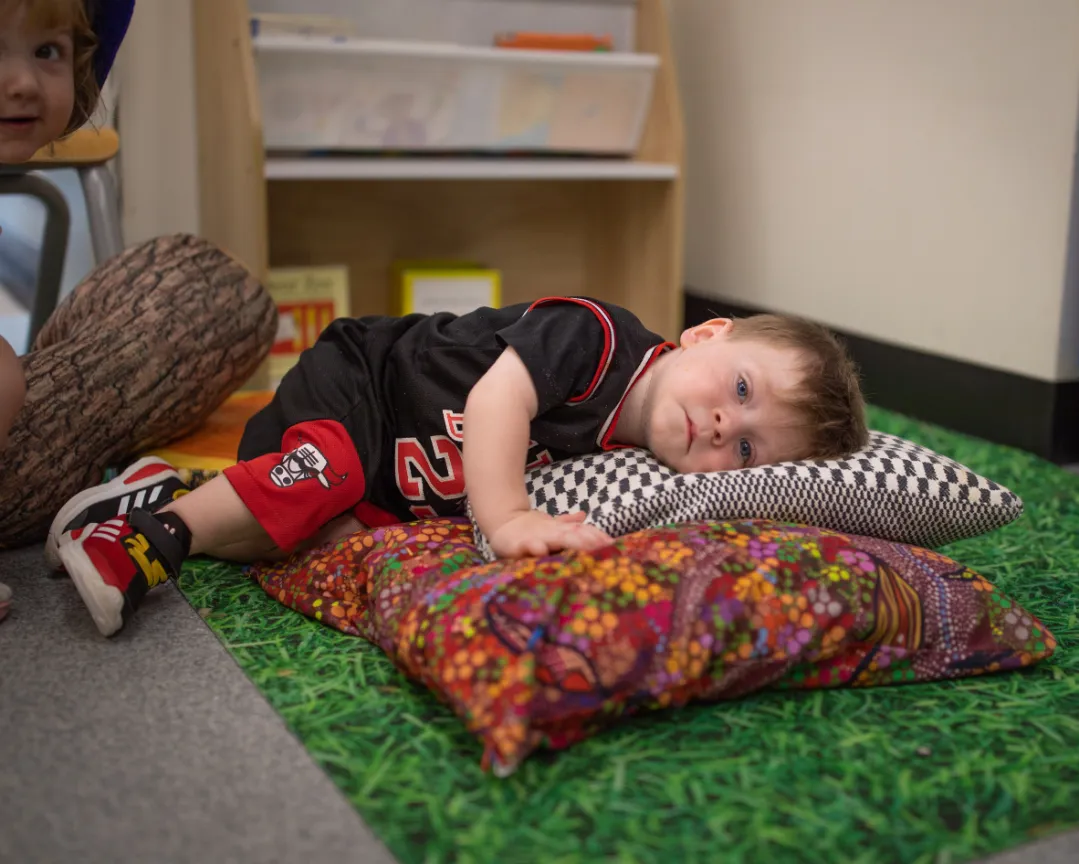
Babies often do things sooner when they see other babies doing them. It’s called peer learning. One baby might be learning to crawl, and when they see another crawling across the room, they give it a go too. Or one baby might start clapping, and a few others try it out right after.
Baby day care gives babies regular chances to learn from each other in fun and natural ways. It’s not forced, it just happens as they play, explore, and watch one another.
Routine and group time help babies feel safe
Social settings like baby day care are built around calm routines. This helps babies feel settled. They know what to expect, when it’s time to eat, rest, play, or go outside.
Group time activities like music, reading, or sensory play bring everyone together in a calm, shared experience. These moments support social skills in a gentle way. Babies don’t have to do anything they’re not ready for, they can just be part of the group and take it all in at their own pace.
What makes baby day care special for social learning?
Not all social time is the same. At home, your baby might have a playdate once a week or go to a parent group sometimes. These are great, but they’re often short and don’t always have structure.
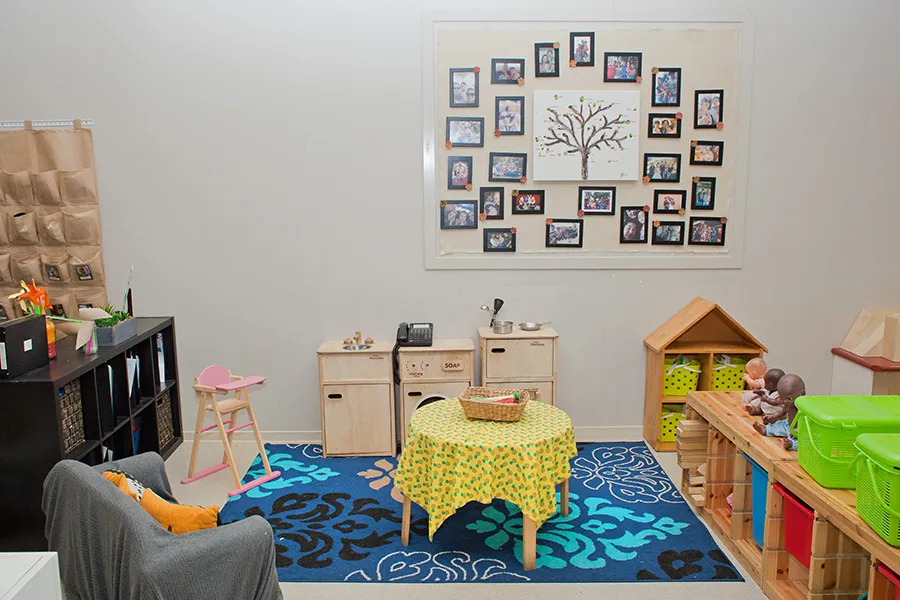
Baby day care offers more regular and meaningful social time. Babies are gently guided by educators who understand child development. The environment is set up just for them, with soft spaces, age-appropriate toys, and caring adults who are tuned in to their needs.
At Kaleidoscope Kids, we make sure our baby day care rooms are calm, warm, and full of chances for connection. Our educators are trained to support early social and emotional development, helping babies feel safe as they learn to engage with others.
What if my baby is shy or takes time to settle?
That’s completely normal. Some babies need a bit longer to warm up in new spaces, and that’s okay. In baby day care, there’s no rush. Educators are patient and gentle, giving each baby time to feel comfortable.
At Kaleidoscope Kids, we get to know your baby’s routine, what helps them feel calm, and how they like to play. Whether your baby is outgoing or more quiet, we support them to build social skills in a way that suits their personality.
Baby day care is more than care, it’s connection
When you choose baby day care, you’re not just choosing somewhere for your baby to be while you work. You’re giving them a space to build friendships, feel secure, and learn how to be part of a group. These are skills that will stay with them as they grow.
Early social interaction lays the foundation for communication, confidence, and emotional strength. And in baby day care, these things happen in small, everyday moments, playing with blocks next to a friend, hearing a story read aloud, or sharing a smile with an educator.
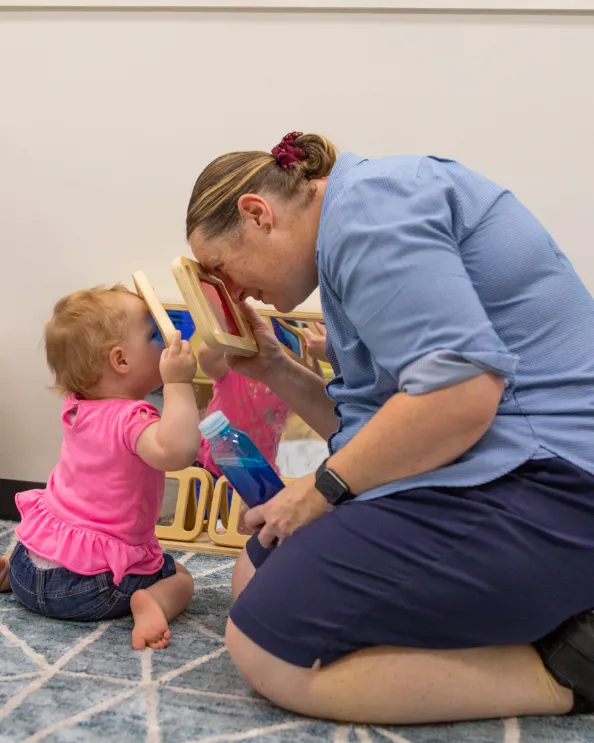
Want to see how we do it?
If you’re thinking about baby day care, we’d love to show you around one of our five centres in southeast Queensland. At Kaleidoscope Kids, we’re all about helping babies feel safe, happy, and connected, one cuddle, song, and play session at a time.
Book a visit, come meet our team, and see how baby day care can help your little one grow.

Blog & News
Our Recent News And
Articles









The Answers You’re Looking For
What age groups and programs do you offer?

How do I enrol and what are the fees?

Start by booking a tour so you can see the centre and meet the team. Our team will guide you through the enrolment form and required documents. Fees depend on age group and booked days, and most families are eligible for the Child Care Subsidy. We will help you understand CCS and set up a simple payment schedule so there are no surprises.
How do you handle meals, allergies, and special diets?
What does safety and supervision look like at the centre?
How will I hear about my child’s day and progress?


A World of Opportunities Awaits. Enroll Your Child in A Session Now!